Home Decor
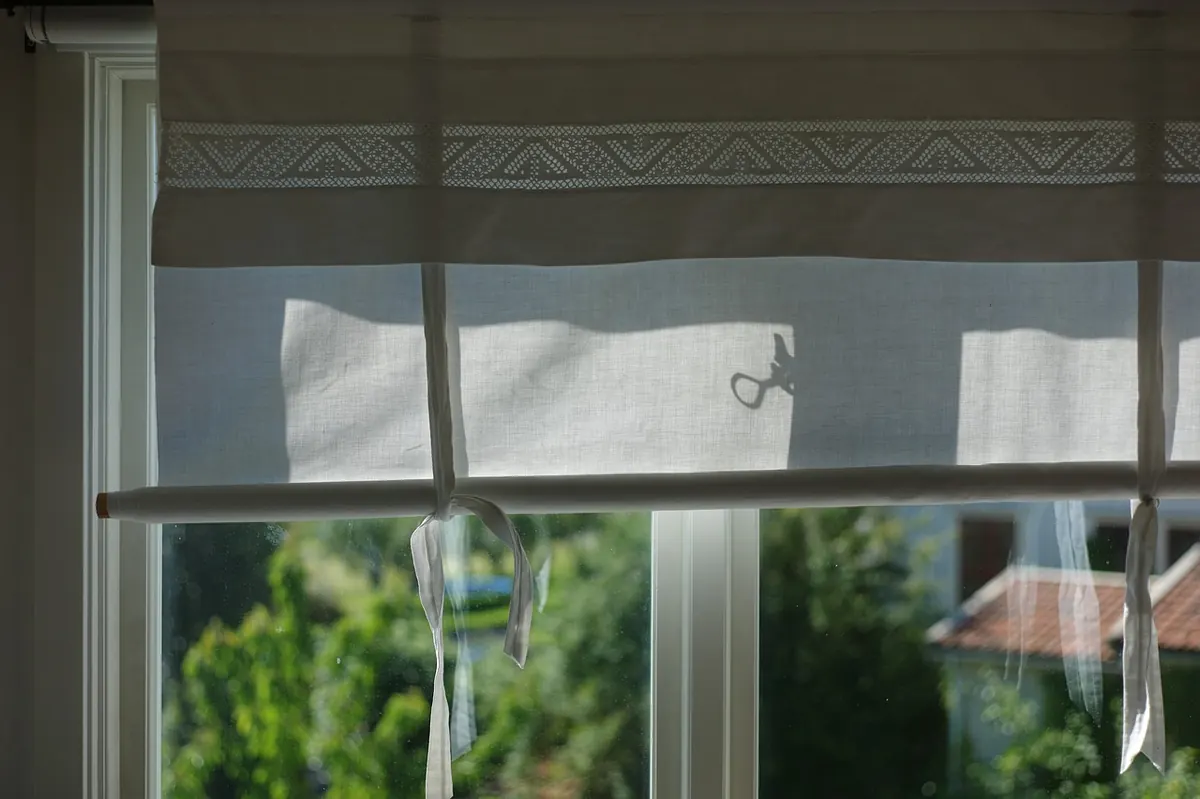
Summer Noise and Heat: Using Soundproof Curtains in Warmer Months
Winter makes acoustic curtains look like an easy win. The windows stay shut, the panels hang heavy and full, and the room settles into quiet. Summer asks more of you: you want air moving, you want the afternoon sun off the sofa, and you still want the street outside to fade before you fall asleep. You do not have to choose between a stuffy quiet room and a cool noisy one. A few adjustments to how the curtain hangs, when you draw it, and which window you open will get you most of the way to both.
Why Warm Weather Undoes a Good Acoustic Setup
An acoustic curtain is a partner to the window, not a replacement for it. Most of the noise reduction in a bedroom comes from the closed window itself. The curtain then does a different job: it absorbs sound inside the room, softens reflections off bare walls and glass, and takes the edge off the mid and high frequencies that still slip through — traffic hiss, voices from a pavement table, the whine of a scooter climbing the hill. Open the window wide and you have removed the main barrier. Heavy fabric will still calm the room's echo, but it will not stop the street.
That is the honest starting point, and it saves a lot of disappointment. Summer also brings more noise to stop: windows open in every neighbouring flat, delivery vans idling, air-conditioning units on the wall opposite, conversation that lasts until midnight. Heat works against you at the same time. A heavy panel sitting against sunlit glass becomes warm to the touch, holds warm air near the window and blocks the airflow that would otherwise cool the room. So the aim from June to September is not maximum muffling. It is a setup you can change through the day without thinking about it.
Match the Curtain to the Room
Before you change anything, decide what each room actually needs. The same panel that saves a bedroom can make a living room feel like a tent.
- Bedroom: night noise and early light matter most. Keep the panel fully closed with a generous overlap, use a blackout or thermal lining, and put your ventilation effort into a window on the quiet side — or a fan, which is often the cheaper compromise.
- Living room facing the street or a square: solar gain and evening noise. A light-coloured lining facing the glass helps with heat; drawing the panel through the sunny hours helps more.
- Home office or study: speech-range noise is the enemy during calls. Close the panel over the noisy window for the duration of a meeting and work with the door shut.
- Kitchen and bathroom: humidity, not decibels. Keep a finger's width of air behind the curtain so moisture can escape, and never bunch damp fabric against the wall.
Keep the Performance You Already Have
Most acoustic curtains underperform because of how they are hung, not what they are made of. A few centimetres of adjustment is worth more than a new purchase.
Width, height and overlap
Run the rod 15–20 cm beyond each side of the window frame and 10–15 cm above it, so the fabric covers wall rather than just glass. Aim for a hem 1–2 cm above the floor: close enough to close the gap, high enough to keep the fabric clean and let air move. Give yourself at least twice the rod width in fabric, and 2.5 times if the room is echoey. Where the two panels meet in the middle, let them overlap by 8–10 cm; a visible slit lets sound straight through.
The gaps you cannot see
The space above the rod, the gap between curtain and wall at each side, and the strip of floor beneath the hem all leak. A pelmet or a simple cornice closes the top. Side returns — a little extra fabric folded back to the wall — close the sides. If you rent and cannot add fixtures, magnetic holdbacks and a second, wider rod are reversible fixes that do real work.
A heavy curtain with an open side gap often performs no better than a lighter curtain with none.
Ventilation Without Losing the Barrier
Use the quiet side of the home
Cross-ventilation is the best summer tool you have, and it lets you keep the noisy window shut. Open the window that faces a courtyard, garden or quiet street, leave the internal doors open, and keep the curtain drawn over the road-facing window. Even a 10 cm opening on the quiet side will move air through a flat within minutes.
When there is only one window
Then you are trading, and the trade should be deliberate. Open during the quietest hours — early morning, and again after the evening traffic thins — for fifteen or twenty minutes to flush the room, then close the window and draw the curtain. Overnight, a fan moving air across the room is often more comfortable than a wide-open window, and considerably quieter. If you leave the window cracked, a few centimetres admits far less noise than a full opening. Keep trickle vents on the frame open: they add ventilation with very little sound penalty.
One small habit helps in humid weather. If you open the window, gather the panel to one side with a holdback rather than letting it press against the glass. You lose some muffling on that side, but you gain airflow and you avoid trapping damp air between fabric and wall.
Sun, Heat and Fabric Choice
Shade from the outside beats shade from the inside, every time. Shutters, an awning, an exterior blind or a deciduous tree stops the sun before it reaches the glass. Interior curtains are the second line of defence, and they work best when the surface facing the glass is light and reflective. A white or silver lining reflects heat back out; a dark lining absorbs it, gets hot, and radiates that warmth into the room for the rest of the afternoon. The face fabric on the room side can be any colour you like.
Draw the panel on the sunny side during the hottest hours and open it once the window is in shade — usually mid-afternoon on a west-facing wall, earlier on the east. Thermal and blackout linings help, but no curtain turns a hot room into a cool one. The window, the shading and moving air do most of that work; the curtain buys you a few degrees and a darker, calmer room.
Worth knowing: blackout linings are useful in summer bedrooms for blocking early light, but they are not what makes a curtain acoustic. Mass does that. If you are choosing between a lightweight blackout panel and a heavier fabric with a separate lining, the heavier combination will usually serve you better on both counts.
A Summer Routine That Works
- Early morning: open the quiet-side windows before the traffic builds, and let the cool air through for twenty minutes.
- Mid-morning: close windows on the sunny, noisy side and draw those curtains. Keep internal doors open so the flat still breathes.
- Afternoon: as soon as the sun leaves the glass, open the curtain again. Move a fan near the shaded window to pull air through.
- Evening: once the outside air is cooler than the room, ventilate again with the street-facing curtain kept shut.
- Night: close the noisy window, keep the panels overlapped at the centre and the hem clear of the floor.
- Weekly: vacuum the curtains with a brush attachment, check hooks and rings, and make sure nothing is pinched behind furniture.
A Short Summer Checklist
- Rod wide and high enough to cover wall, not just glass.
- Panels overlapping in the middle by at least 8 cm.
- Top gap closed with a pelmet, cornice or wide rod pocket.
- Light lining facing the glass on sun-facing windows.
- Quiet-side window used for ventilation whenever possible.
- Air circulating behind curtains in kitchens and bathrooms.
None of this is complicated, and most of it costs nothing. Hang the curtain properly, choose which window to open with a little care, and let the sun and the street take turns being shut out. The room will be cooler, quieter, and far easier to live in until the windows close again in autumn.
Photo: Larsgustav / Pixabay
Related Articles